Gaming Is Getting Too Expensive and Your Backlog Is the Real Game Now
Gaming costs keep rising, but your backlog can be the best place to play. Make your existing library feel like a destination instead of a debt.
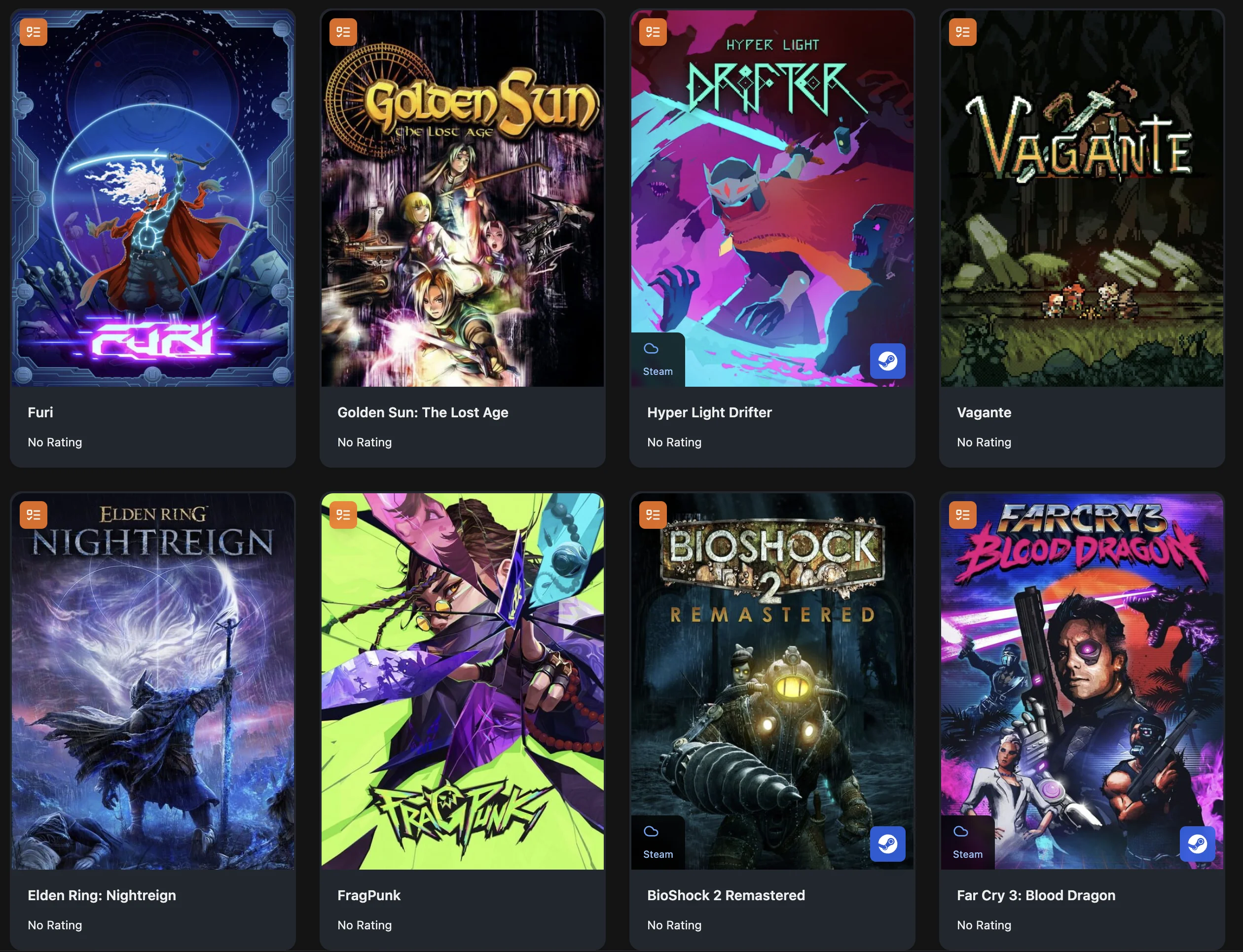
Featured image by GameSHLF.
Open a store page, look at the number, close the tab. That small loop has become a familiar ritual for a lot of players, and the feeling behind it is real. Gaming is getting too expensive, and the evidence is not hard to find. Development budgets keep climbing, hardware shortages keep making headlines, and the next round of consoles is shaping up to land at prices that would have sounded like a joke a decade ago.
Here is the part that rarely gets said out loud. That squeeze might be the best thing to happen to your library in years. If the new stuff is out of reach for a while, the shelf you already built becomes the main event instead of the leftovers. That is not a consolation prize. It is a genuinely good way to play.
Gaming Is Getting Too Expensive, and the Sticker Shock Has Been Building for a While
Start with the money going in. Rising development costs are a major factor, because games have gotten much more expensive to produce. Those costs have to land somewhere, and they usually land on the price tag or on the state of the game at launch. Coverage of the current market has been blunt about the result: studios shipping titles that feel either unfinished or overpriced, with RAM and hardware shortages layered on top as a separate headache.
What the Next Round of Hardware Might Cost
Reports suggest the next Xbox, Xbox Helix, is being positioned somewhere between $1,200 and $1,800, with a target window around 2028. A separate Xbox handheld is rumored for next year. These reports are coming from a report from Fortune via an interview with Asha Sharma.
The wider picture matches. Microsoft has announced its next console, Valve's Steam Machines are here and also highly priced, and Playstation 6 rumors are also being floated. In a normal cycle that lineup would be cause for fireworks. Instead, hardware shortages and rising development costs have made the whole thing feel muted, even to people who usually buy in on day one.
If you read those numbers and feel your stomach drop, you are not being dramatic. You are reading the room correctly. The question is what you do with that feeling.

Photo by Sergei Starostin on Pexels
Meanwhile, There Has Never Been More to Play
Here is the counterweight. The catalog available to a player right now is absurdly deep. Current-gen releases, last-gen titles that still look and play beautifully, a retro library that spans decades, subscription catalogs with rotating lineups, and an indie scene that produces more interesting work in a month than most people can finish in a year. None of that got more expensive to enjoy if you already own it.
Most big-budget games outside Nintendo tend to drop in price fairly quickly, and discounts and price drops can bring the cost down further for anyone willing to wait. Waiting used to feel like losing. Now it often feels like the smartest move on the board.
The games you skipped because you were busy did not disappear. They got cheaper, patched, and finished. That is a strange kind of luxury hiding inside a tight budget.
Your Backlog Is Not a Debt
Most players talk about their backlog like it is a bill they owe. Fifty unplayed games becomes a confession instead of a collection. That framing is worth throwing out.
A backlog is a library you already paid for. It is the result of years of curiosity, impulse buys, gifts, bundle pickups, and titles you grabbed because they looked interesting on a slow Tuesday. The money is spent. The value is sitting there, patiently, waiting for a free weekend. Nothing about that is shameful. It is closer to a savings account than a failure.
There is also a practical benefit to playing what you own. You stop measuring your hobby against a release calendar and start measuring it against your actual taste. You find out which genres you really love when there is no marketing push telling you what to buy next.

Photo by Mikhail Nilov on Pexels
How GameSHLF Turns a Backlog Into a Destination
The reason backlogs feel like chores is usually administrative, not emotional. You cannot remember what you own, you cannot remember where you stopped, and the list lives in three different places. GameSHLF exists to fix that. It is a web-based, multiplatform collection tracker built to hold your entire gaming history in one place, across digital storefronts and physical discs alike.
-
Log every title with a status such as playing, beaten or completed, or want to play, so nothing gets lost in the gap between buying and starting.
-
Rate games from 0.5 to 10 and keep notes on where you left off or what you thought of a run.
-
Track platform and edition variants, which matters if you own the same game twice and want to remember why.
-
Import your library from Steam, Xbox, PlayStation, GOG, and RetroAchievements so you are not adding one game at a time.
-
Browse the Xbox Game Pass catalog, including current titles, what is leaving soon, and what is coming up, if a subscription is part of your rotation.
-
Share lists with friends, write reviews, and join community challenges when you want a reason to pick something up tonight.
The shift is subtle but it matters. A tracked backlog becomes a menu. You open it, see something that catches your eye, and start playing instead of scrolling a store page arguing with yourself. The pitch is simple: less managing, more playing.
Ways to Keep Playing Without Keeping Up
-
Play what you already own first. Pick three games from your shelf and commit to one of them this month rather than buying a fourth.
-
Let big releases age. If most major titles drop in price after launch, waiting a few months is a discount you earn by being patient.
-
Use the subscription you already pay for. A rotating catalog is only a waste if you never open it.
-
Check last-gen and retro. Plenty of the best games of the past decade are still sitting on older hardware and cost far less than a new release.
-
Write down what you finish. Completion tracking turns a vague sense of "I have nothing to play" into a record of everything you actually did.
Photo by Pavel Danilyuk on Pexels
Frequently Asked Questions
Is gaming really getting more expensive?
The pressure is coming from several directions at once. Rising development costs have made games more expensive to produce, hardware shortages have affected availability and pricing, and PC players face higher part requirements as games get bigger. Expensive games have existed for decades, but the combined cost of hardware, subscriptions, and software is what players feel most today.
Why do consoles and PC parts cost so much right now?
Coverage of the current market points to RAM and hardware shortages mainly due to AI Data Centers as a major factor, alongside rising development costs across the industry. PC gaming has its own pressures, including bigger games and the need for better components to run them. Specific prices change often, so confirm current figures with retailers before budgeting.
What should I play if I cannot afford new games?
Start with what you already own. Sort your collection by status, pick something marked want to play, and give it a real chance. Subscription catalogs, last-gen titles, and retro libraries are also wide open. Many big-budget releases drop in price after launch, so waiting a few months is often the cheapest route to a game you want.
How do I keep a backlog from feeling like a chore?
Give it structure. Track status, ratings, and notes so you always know where you stopped and what you thought. Import your existing libraries so the list is complete, and set a simple rule like finishing one game before buying another. Once the backlog is organized, it reads like a menu instead of a list of obligations.